LEARN AND LEAD LTD.
  • Home
  • What's New
  • Services
    • Training
    • Coaching
    • Teaching
    • Speaking
    • Summer 2026
    • Connected Literacy
    • 2025-2026 Registrations
    • 2026-2027 Registration
  • Educational Resources
  • L & L at Home
    • Reading Readiness
    • Summer Learning Success
    • Executive Functioning
  • Podcast
  • Contact
  • Testimonials
  • Evaluations
    • Program Evaluation
    • Workshop Evaluation
  • Yolande's Bio
  • Staff Resources
  • Interviews
Picture

Inclusive Leadership

1/16/2025

0 Comments

 
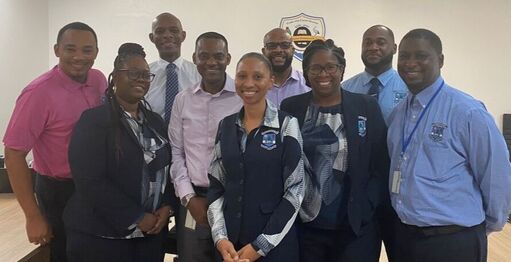
Yesterday, I had the pleasure of making the trip over to Parrot Cay to complete a two-part Inclusive Leadership Training. This training program focused on equipping leaders and with the skills needed to create an environment where everyone feels valued, heard, and empowered. Together, we tackled some of the most pressing challenges facing modern workplaces, including understanding implicit biases, confronting microaggressions, and cultivating emotional intelligence.


0 Comments

Starting 2025 Strong with Mini-Habits

1/5/2025

1 Comment

 
Picture
Happy New Year!

When we think of "back to school," September usually comes to mind—a season filled with new beginnings, fresh supplies, and big plans for the year ahead. Most of our children in the Turks and Caicos Islands had 3 weeks off! After a three-week break to relax and recharge, it can take some time for both children and parents to transition back into their routines.

The start of a new year is the perfect time to recalibrate and set intentions, not just for the school term, but for the year as a whole. And while it’s tempting to make sweeping resolutions, there’s something far more powerful—and sustainable—about focusing on mini-habits.

What Are Mini-Habits?
Mini-habits are tiny, manageable actions that are so small they’re almost impossible to fail. These habits may seem insignificant at first, but their consistency leads to significant changes over time. The idea is simple: instead of overwhelming yourself with lofty goals, you break them down into bite-sized steps.

For example, instead of committing to “reading every night for an hour,” a mini-habit might be “reading one page per night.” Instead of “getting 10,000 steps daily,” a mini-habit could be “taking a five-minute walk after dinner.” The beauty of mini-habits is that they build momentum, and once you start, you’re likely to do more than the bare minimum without the pressure of a daunting goal.

Mini-Habits for Parents and Kids in 2025
As we settle back into routines, here are a few mini-habits for both parents and children to kick off the school term—and the year—with intention:
For Parents:
  • Morning Pause: Spend one minute each morning setting an intention for the day. Whether it’s “stay patient” or “be fully present,” this quick moment of mindfulness can shift your mindset.
  • Gratitude Check: Write down one thing you’re grateful for daily, even if it’s as simple as your child’s smile or a productive day at work.
  • Digital Boundaries: Commit to a mini-habit like putting your phone away for 10 minutes during family time to build stronger connections.
For Kids:
  • One Minute of Prep: Before bedtime, encourage your child to pack their bag or set out their uniform for the next day. This small habit can reduce morning chaos.
  • Daily Reading: Start with just one page of a book or five minutes of reading time—it’s a simple step toward building a lifelong love for learning.
  • Kindness Habit: Challenge your child to say one kind thing to a family member, friend, or teacher each day.

Be Intentional in 2025
Mini-habits may seem small, but their impact grows when practiced with intention. As parents, we set the tone for our households. By embracing tiny tweaks to our routines, we model consistency, resilience, and growth for our children.

Remember, it’s not about perfection. It’s about showing up consistently in small ways that align with your values and vision for the year. Whether it’s committing to healthier family habits, improving school-day routines, or fostering more connection, intentionality is the key to making it all stick.

As we ease back into school life this January, take a deep breath and remind yourself: small steps lead to big changes. With mini-habits as your guide, you can make 2025 a year of growth, connection, and success for you and your family.
​
Here’s to starting strong and staying intentional!

1 Comment

Ignite 2025!

1/5/2025

0 Comments

 
Picture
Happy New Year!

As the new year begins, I’m thrilled to announce the launch of my newest self-development program: Ignite 2025! Every January, I introduce a fresh program to help individuals spark change, grow, and step into the year with clarity and purpose. This year’s program is particularly special, and I can’t wait to share it with you.

Ignite 2025 is more than a self-development guide—it’s an invitation to ignite your inner fire, uncover your potential, and create a life that aligns with your vision and values. Designed to help you embrace your unique strengths, the program empowers you to explore what truly works for your personal journey while navigating challenges with confidence.

With practical, actionable steps, Ignite 2025 equips you to establish habits and routines tailored to your lifestyle. Whether you want to master time management, boost productivity, or create lasting, meaningful change, this program provides a personalized roadmap to help you take intentional steps forward—one manageable step at a time.

You can experience Ignite 2025 in a one-on-one coaching session or as part of a small group, offering a vibrant space for connection, support, and inspiration. Together, we’ll break through limitations, ignite your passions, and step boldly into a year filled with purpose, fulfillment, and success.
​
I’m so excited to embark on this transformative journey with you. Let’s make 2025 a year to remember!

0 Comments

Navigating Holiday Expectations

12/22/2024

0 Comments

 
Picture
The holiday season is often described as the most wonderful time of the year. It’s a time for family gatherings, delicious meals, festive traditions, and sparkling decorations. For many, it’s a season filled with joy, laughter, and love. However, it’s important to acknowledge that the holidays can also bring their fair share of stress, especially for families navigating diverse needs, personalities, and sensitivities.

The truth is that while this season is magical, it can also be overwhelming for some individuals. This is particularly true in our diverse communities, where the way people celebrate — and the way people experience joy — can differ greatly. Diversity extends beyond cultural traditions; it includes differences in personalities, temperaments, and neurodiversities. These differences can sometimes lead to misunderstandings or even stress, especially when it comes to children.

Understanding Neurodiversity
Neurodiversity refers to the idea that neurological differences are natural variations in the human experience. It includes individuals with conditions such as autism, ADHD, dyslexia, sensory processing disorders, and more. Neurodivergent children often process information and stimuli differently from neurotypical children. For some, the high-energy festivities of the holiday season can feel like sensory overload. Bright lights, loud music, crowded rooms, and unpredictable schedules can be incredibly overwhelming.

It’s crucial for family members and community members to recognize and respect these differences. Joy doesn’t look the same for everyone, and a child’s reluctance to participate in a particular activity or their need for a quiet moment shouldn’t be seen as “wrong” or “disruptive.”

Supporting Families During the Holidays
For many parents of neurodivergent children, the holidays can be a source of anxiety. They may worry about how their child’s sensitivities will be perceived by others or fear judgment if their child behaves in ways that are unexpected. As a community, we can help alleviate some of this stress by approaching these situations with understanding and compassion.

Here are some ways to support families during the holiday season:
  1. Be Flexible and Inclusive: If your niece or nephew doesn’t want to give you a big hug, don’t take it personally. Offer alternatives like a high-five, a wave, or even a smile. Small gestures of understanding can make a big difference.
  2. Avoid Shaming: Publicly or privately shaming a child (or their parents) for behaviors that stem from overstimulation or anxiety will only make the situation worse. Instead, show patience and empathy.
  3. Create Quiet Spaces: If you’re hosting a gathering, consider setting up a quiet, low-stimulation area where anyone who feels overwhelmed can take a break. This can be a lifesaver for children (and adults) who need to recharge.
  4. Ask Questions, Don’t Assume: If you’re unsure how to interact with a child or support a family, ask. Most parents appreciate thoughtful questions over assumptions.
  5. Respect Boundaries: Not everyone will want to participate in every activity. If a child opts out of singing carols or sitting on Santa’s lap, let it be.

Tips for Parents Managing Overstimulation
Parents, you know your child best. Here are some strategies to help manage overstimulation during the holidays:
  • Watch for Signs: Common signs of overstimulation include irritability, covering ears, avoiding eye contact, fidgeting, or sudden withdrawal. Keep an eye out for these cues and step in early.
  • Set Expectations: Before attending a gathering, explain to your child what to expect. Let them know they can take breaks if they need to.
  • Bring Comfort Items: Pack items that help your child self-soothe, like noise-canceling headphones, a favorite toy, or a weighted blanket.
  • Stick to Routines: As much as possible, try to maintain your child’s usual routines for meals, naps, and bedtime. Predictability can help reduce stress.
  • Communicate with Hosts: Let hosts know ahead of time about any accommodations your child might need. Most people are happy to help when they understand what’s needed.

A Holiday Season for Everyone
The holidays are a time for connection, celebration, and love. By embracing the diversity within our families and communities, we can create an environment where everyone feels valued and included. Remember, everyone deserves the right to a joyous holiday season, but joy doesn’t look the same for everyone. For some, it’s boisterous carols and bustling parties. For others, it’s quiet moments with a book or a peaceful walk outside.

This season, let’s commit to looking out for one another. Let’s approach differences with curiosity and compassion, and let’s create spaces where everyone — neurodivergent and neurotypical alike — can experience the magic of the holidays in their own way. Because ultimately, the greatest gift we can give each other is understanding.

0 Comments

Holiday Writing Prompts

12/14/2024

0 Comments

 
Picture
As we approach this festive season, the excitement of celebrations, rest, and quality family time takes center stage. While these breaks are essential and rejuvenating, they can sometimes disrupt the learning routines we work so hard to build during the school year. That’s why it’s important to encourage activities that keep young minds engaged—and one of the best ways to do this is through creative writing.
As parents and teachers, we often stress the importance of reading over the holidays, but let’s not forget the value of writing. Writing shouldn’t feel like a chore or punishment. Instead, it can be an outlet for creativity, imagination, and self-expression. When approached with the right mindset, writing becomes an exciting opportunity to explore new worlds, share ideas, and dive into the magic of storytelling.
To make writing a joyful and engaging activity, I’ve put together a collection of holiday-themed creative writing prompts. These prompts are designed to spark imagination, encourage critical thinking, and keep students entertained during their time off. They’re adaptable for different age levels and can even incorporate an artistic twist to make the experience even more fun. Whether you’re a parent looking for an engaging activity at home or a teacher wanting to end the term with something memorable, these prompts are sure to inspire!

Holiday Writing Prompts

1. If I Were Santa Claus Imagine you’re Santa Claus for a day. What would your adventures be like? What gifts would you choose to give, and how would you deliver them? Perhaps you’re a modern Santa who uses a rocket-powered sleigh, or maybe you’ve partnered with Jojo the Dolphin to deliver gifts. Encourage students to dream big and add their own unique twists to this classic idea.

2. The Magical Reindeer What’s life like for one of Santa’s reindeer? Write a story from their perspective. Do they have a special talent or a quirky personality trait that sets them apart? How do they prepare for the big night? Maybe they even have their own secret adventures when Santa’s not looking!

3. The Day Christmas Went Wrong Let imaginations run wild with a story about a Christmas Day that didn’t go as planned. Did Santa’s sleigh break down over the Turks and Caicos? Did the reindeer go on strike? How did the characters work together to solve the problem and save the day? This prompt is perfect for teaching problem-solving through storytelling.

4. Santa’s New Invention Create a brand-new tool or gadget to help Santa on Christmas Eve. What does it do? How does it work? Challenge students to be both inventive and descriptive. Bonus: They can sketch or build a prototype of their invention to go along with their story!

5. Discovering Turks and Caicos Combine local pride with holiday magic! Write about an exciting holiday adventure set in the Turks and Caicos Islands. Perhaps the characters encounter unique creatures, solve a mystery, or discover hidden treasures in the islands’ stunning landscapes. This is a wonderful way to blend cultural appreciation with creativity.
​
6. The Christmas Wish If you could make one meaningful wish this Christmas, what would it be and why? Would it be for yourself, your family, or the world? This reflective prompt allows students to explore their values and think deeply about what matters most to them.

0 Comments

2024 in Rearview

12/10/2024

0 Comments

 
Picture
Reflection is a powerful tool that brings families closer, fostering connection, learning, and growth. As we approach the end of 2024, taking time to reflect on the past year’s experiences, challenges, and successes can help parents and children deepen their bond and strengthen communication.
​
Through reflection, families have the opportunity to celebrate achievements, understand lessons from setbacks, and set intentions for the future. This shared activity creates a meaningful space for celebrating individual and collective growth. Below are five thoughtful writing prompts designed to help parents and children engage in heartfelt conversations and reflections about the experiences of 2024.

Writing Prompts for Family Reflection
  1. Memorable Moments:
    Encourage your child to recall and write about three memorable moments from 2024. These could be milestones, small joys, exciting experiences, or events that left a lasting impression. Discuss why these moments were special and how they made an impact on your child’s year.
  2. Challenges and Growth:
    Ask your child to think about a challenge they faced in 2024 and write about how they worked through it. What did they learn from the experience? How did they grow as a result? Discuss the strategies they used and how challenges can lead to strength and resilience.
  3. Family Time:
    Reflect on the quality time spent together as a family this year. Have each family member write about their favorite family outing, tradition, or activity from 2024. Talk about why those moments were meaningful and how they contributed to building a stronger family bond.
  4. New Discoveries and Learning:
    Prompt your child to write about something new they learned or discovered in 2024—a skill, hobby, interest, or a piece of knowledge they found fascinating. Share stories as a family about moments of curiosity and exploration, and discuss why embracing learning helps us grow.
  5. Setting Intentions for the Future:
    Encourage your child to think about one thing they’d like to improve or achieve in 2025. Have them write about their goal and brainstorm the steps they plan to take. Discuss how setting intentions helps create direction and keeps us motivated for the year ahead.

By engaging in these writing activities, families can create space for meaningful dialogue, celebrate growth, and reinforce a sense of togetherness. These moments of shared reflection foster deeper understanding and allow parents to guide their children in recognizing the value of introspection and personal development.
​
As 2024 comes to a close, let this reflective practice be a way to celebrate the year gone by and build a foundation of hope and intention for the year ahead. Together, let’s carry the lessons and love of 2024 into a brighter, more connected 2025!


0 Comments

Christmas holidays

12/10/2024

0 Comments

 
Picture
​Dear Parents,

This is a friendly reminder that December 14th will be the final day of classes for this term. 
As we approach the holiday season, we kindly ask that any outstanding balances for the term be settled by December 14th. Should you need to make arrangements to come in and settle your account the following week, please don’t hesitate to reach out to me. Payments can also be made via direct deposit to our Scotiabank account.

We look forward to your child's return the week of January 6th. If for any reason they will not be returning, please let us know as soon as possible.

On behalf of the entire team of teachers, I would like to wish you and your family a very Merry Christmas and a joyful holiday season. Thank you for allowing us to be part of your child’s educational journey. We look forward to seeing you all in 2025
​
Warm Regards, 
Yolande


0 Comments

Special Education conference

11/23/2024

0 Comments

 
Yesterday, I had the opportunity to present at the inaugural conference on Special Education Needs. The theme of the conference was "Inclusive Education: Bridging Gaps, Building Futures." My presentation was titled "Understanding Learning Differences: Cognitive and Emotional Aspects of Special Education Needs." It was a fantastic day for professionals working with diverse populations to come together and gain valuable strategies to help individuals in these communities thrive in inclusive settings.
0 Comments

The Pandemic's Lingering Effects

10/29/2024

0 Comments

 
Picture
The further we move into the 2024-2025 academic year, the more distant the height of the COVID-19 pandemic feels. It can sometimes seem as though we didn’t experience a period of interrupted and unfinished learning in our classrooms, especially since we’ve been back to "normal" for some time now. However, if you've spoken with parents or educators recently, you may have noticed that many of us are still grappling with challenges that trace their roots back to that unprecedented time. The effects of the pandemic are far from over.

We need to remind ourselves—often—that some of the challenges that we are seeing in children and students today aren't simply a reflection of them or their effort, but of the conditions they have lived through. In many ways, the world may seem to have moved on, but in education, the ripple effects of the pandemic are still very real. And those effects need to be addressed with care, patience, and a lot of grace.

The Learning Gaps Go Beyond Academics

When we think of "unfinished learning," our minds often jump to academics—math problems, reading levels, or social study facts that students may have missed during remote learning. But the gaps are much wider than that. What we're seeing now isn’t just about academic deficits but also gaps in crucial developmental areas: fine motor skills, gross motor skills, attention, focus, emotional regulation, social interactions, vocabulary development, and so much more.

Some of these gaps are subtle. For instance, young children may struggle with fine motor skills like cutting or handwriting—things they missed out on practicing during the shift to digital learning. Older students may find it hard to focus for extended periods or follow the multi-step processes needed for tasks like long division or reading comprehension.

These aren't issues that will magically resolve on their own. They are skills that need to be taught, practiced, and reinforced. We are still very much in the process of filling these gaps, and it’s important to understand that this process requires patience—not just from students, but from everyone around them.

We Need Grace for Ourselves and Each Other

As parents, teachers, and caregivers, we need to remember that our children are doing their best within the conditions they’ve been given—and so are we. When a flower isn't growing the way we expect, we don't blame the flower. Instead, we look at the conditions around it. Are we watering it enough? Is the soil rich in nutrients? Is the environment conducive to growth?

The same logic applies to our children. If we see that they’re struggling in a particular area, we must look at how we’re supporting their growth. Have they had enough opportunities to practice fine motor skills? Have we created an environment that fosters focus and attention? Have we allowed space for social and emotional development that was stalled during periods of isolation?

Balancing Remediation and Acceleration

In education today, there's a fine balance between remediation and acceleration. We need to be mindful of not just pushing students ahead to "catch up" to where we think they should be, but also ensuring they have a strong foundation to build on. Remediation—going back and filling in gaps—is essential. But at the same time, we can't hold students back indefinitely. There’s an art to balancing these two approaches, one that requires careful observation and flexibility.

The key is in recognizing that skills build upon each other. If a student is struggling with long division, it may not be about long division itself—it could be that their foundational understanding of multiplication isn’t solid. If a child is having difficulty with handwriting, it could stem from a lack of fine motor practice, not just the act of forming letters. These are just a few examples of how deeply interconnected learning really is.

Be a Detective: Address the Foundational Skills

My reminder to parents and teachers is simple: if you’re noticing a particular skill that seems to be a challenge—whether it's cutting with scissors, penmanship, or adding fractions with unlike denominators—take a step back and play detective. Look to see whether all of the foundational skills that support that task have been adequately addressed.

Sometimes, what we perceive as "struggle" is really an indication that something foundational is missing. Maybe it's a skill that didn’t have the chance to develop fully because of the pandemic's disruptions. Maybe it’s a developmental gap that went unnoticed during remote learning. Either way, before we push our children forward, let’s take the time to make sure we’re filling in those essential pieces.

The pandemic may feel like it's in the rearview mirror, but its effects on education are still very much with us. We are still catching up in ways that go far beyond the curriculum, and we owe it to our students—and ourselves—to recognize that. Let’s continue to extend grace to one another, knowing that the path to growth and learning is not always a straight line, but it’s one we can navigate together.

0 Comments

Shifting Perspectives - Episode 83

10/26/2024

0 Comments

 
Picture
​In this Solo Snippets edition of Shifting Perspectives, Yolande dives into an important topic during Dyslexia Awareness Month. She sheds light on what dyslexia is, the common signs, and how parents and teachers can support children who may be struggling with reading, writing, and spelling.

Yolande shares practical strategies for both parents and educators, focusing on how to foster a supportive environment for students with dyslexia. From encouraging a growth mindset to implementing multisensory learning techniques, this episode provides invaluable insights to help all students succeed.

Whether you're a parent, teacher, or just curious about learning disabilities, this episode offers powerful takeaways to inspire and inform. Tune in, and let’s make a difference together!

Shifting Perspectives is a conversation with Yolande and Latasha that challenges listeners to fuel themselves with diversity in the way they think, the way they work, the way they parent and the way they live their lives.

🎧 Listen to Shifting Perspectives on Apple Podcasts, Audible, Amazon Music, Spotify, Stitcher, Pocket Casts, Overcast, Castro, Castbox, Podfriend or at
www.learnandleadltd.com/podcast

Follow Yolande @yolanderobinson
Follow Latasha @latashastrachan

0 Comments

Episode 83 - Dyslexia Awareness Month

10/25/2024

0 Comments

 
0 Comments

Shifting Persepctives - Solo Snippets

10/23/2024

0 Comments

 
Picture
Over the last couple of months, I've gotten many questions about Shifting Perspectives and when Latasha and I will be resuming episodes. I promise...we are coming soon! Latasha and I are looking forward to jumping back into our conversations, but we are also adding a new spin to the mix. 

This Saturday my first episode of Shifting Perspectives - Solo Snippets will air. These are quick, bite-sized episodes that dive into the worlds of parenting, education and personal growth, challenging the way we think, learn and evolve. Whether it's in your career, family life, or personal journey, sometimes all it takes is a small shift to spark big changes. 

Shifting Perspectives can be found on Amazon Music, Apple Podcasts, Spotify, Pocket Casts, Overcast, Castro, Castbox, Podfriend or www.learnandleadltd.com/podcast.​


0 Comments

Understanding Dyslexia

10/22/2024

0 Comments

 
Picture
October is Dyslexia Awareness Month, a time to highlight and educate us about the challenges that students with dyslexia face. As educators, we strive to create inclusive classrooms where every student can thrive. One common challenge that many students encounter is dyslexia, a specific learning disability that impacts reading and language processing. Understanding dyslexia is crucial for providing effective support and ensuring that all students have the opportunity to succeed.

Understanding Dyslexia
Dyslexia is characterized by difficulties with accurate and fluent word recognition, as well as challenges with spelling and decoding abilities. Importantly, dyslexia does not reflect a student’s intelligence; many individuals with dyslexia possess average or above-average cognitive abilities.

Common Signs of Dyslexia
Recognizing the signs of dyslexia early can significantly impact the effectiveness of interventions. Some common indicators include:
  • Reading Difficulties: Struggles with fluency, frequent errors, and hesitations in reading aloud.
  • Spelling Challenges: Persistent difficulty with spelling common words, often resulting in letter reversals or omissions.
  • Writing Issues: Problems organizing thoughts on paper, leading to disorganized or incomplete assignments.
  • Phonological Awareness Problems: Difficulty recognizing and manipulating sounds in words, such as blending and segmenting sounds.
  • Delayed Speech Development: Speaking later than peers or having trouble retrieving words.

While some of these signs may appear in young learners as part of normal development, persistent challenges warrant further investigation. As teachers, it's important to remember that while we cannot diagnose dyslexia, we can be vigilant in recognizing these signs and providing support.

Supporting Students with Dyslexia
If you notice signs that may indicate dyslexia in your students, it’s essential to take proactive steps to support their learning, regardless of whether they have received a formal diagnosis. Here are several effective strategies that educators can implement:
  1. Foster a Growth Mindset: Encourage a positive classroom environment by celebrating effort and progress. Help students understand that struggling with reading does not equate to a lack of intelligence.
  2. Implement Multisensory Instruction: Use multisensory teaching techniques that engage multiple senses, such as visual, auditory, and tactile methods. For example, employing colored overlays, manipulatives, or interactive technologies can enhance learning experiences.
  3. Provide Structured Literacy Instruction: Incorporate explicit, systematic instruction in phonics, phonemic awareness, and vocabulary development. Structured literacy approaches are particularly effective for students with dyslexia.
  4. Offer Accommodations: Consider implementing accommodations, such as extended time for reading and writing assignments, providing access to audiobooks, or allowing the use of assistive technology.
  5. Create a Supportive Classroom Environment: Designate quiet areas for focused work and minimize distractions during reading activities. Establishing a supportive atmosphere can help students feel more comfortable and engaged.
  6. Communicate with Parents: Maintain open lines of communication with parents about their child’s progress and challenges. Encourage parents to consult with professionals if they share concerns about their child’s reading or language skills. Collaborating with families ensures a consistent approach to supporting the student both at school and at home.
​
Understanding dyslexia and its impact on learning is essential for creating an inclusive classroom environment. By recognizing the signs, implementing effective teaching strategies, and fostering collaboration with parents, we can help students with dyslexia thrive.

Remember, while we may not be able to diagnose dyslexia, our role as educators is vital in supporting students who may be struggling. If you notice signs of dyslexia, take the initiative to seek out ways to provide support and advocate for your students' needs. 
0 Comments

Dyslexia Awareness Month

10/21/2024

0 Comments

 
Picture
Dyslexia Awareness Month is observed every October. This month is dedicated to raising awareness about dyslexia, a specific learning disability that affects reading, writing, and spelling. Individuals with dyslexia often have average or above-average intelligence. With the right support and strategies, they can succeed academically and in everyday life.

Dyslexia can manifest in various ways, and signs may vary from person to person. Common signs and symptoms include:
  • Reading Difficulties: Trouble reading fluently or accurately, often leading to slow reading and frequent mistakes.
  • Spelling Challenges: Difficulty with spelling words correctly, often misspelling familiar words.
  • Writing Issues: Problems with writing neatly or organizing thoughts on paper; may avoid writing tasks.
  • Phonological Awareness Problems: Difficulty recognizing and manipulating sounds in words, such as rhyming or blending sounds.
  • ​Difficulty with Time Management and Organization: Struggling with tasks that require organization, like following multi-step directions or managing time effectively.
0 Comments

Leading from the Middle

10/14/2024

0 Comments

 
Picture
Congratulations to the most recent group to complete Leading from the Middle!

Middle managers play a pivotal role in organizational success, serving as the linchpin between top-level executives and front-line employees. Their significance lies in their ability to translate high-level strategic goals into actionable plans and ensure their implementation at the operational level.

The last 3 days were filled with learning, discussion, problem solving, role playing, strategic thinking exercises and a little play to demonstrate key points through new mediums.

Leading from the Middle-
  • Looking Inward
  • Building Your Team
  • Supervising for Success
View this post on Instagram

A post shared by Yolande Robinson (@yolanderobinson)

0 Comments

Digital Well-Being

10/10/2024

0 Comments

 
Picture
Today, on World Mental Health Awareness Day, let’s take a moment to reflect on a topic that touches all of our lives--digital well-being. In our increasingly online world, where screens have become part of both learning and leisure, it’s important to understand how our digital habits impact our mental health. Whether you're a parent, a teacher, or just trying to navigate your own screen time, finding balance is key.

What is Digital Well-Being?

Digital well-being refers to our relationship with technology and how it affects our emotional, social, and mental health. It’s about being mindful of our screen time and ensuring that our use of digital devices is balanced with offline activities that enrich our lives. With our phones, tablets, and computers constantly at our fingertips, it’s easy to get lost in endless scrolling, but this can take a toll on our mental health, especially for children and adults alike.

The Impact of Screen Time on Children

For children, screen time can be a double-edged sword. On one hand, digital devices provide incredible learning opportunities, allowing kids to explore new topics and connect with friends. But on the other, excessive screen time can lead to issues like reduced attention spans, disrupted sleep patterns, and even anxiety or depression from too much exposure to social media.

It’s important for children to engage in activities that support their overall growth, including unstructured play. Playtime without screens allows kids to be creative, develop problem-solving skills, and interact with others in a natural way. It’s during these moments that they learn how to manage emotions, build friendships, and explore the world around them. Too much time online can replace these essential experiences, leaving kids feeling more isolated.

The Impact of Screen Time on Adults

Adults are not immune to the effects of excessive screen time either. For many of us, screens are integral to our work and social lives, especially with remote work becoming more common. But just like children, adults can find themselves spending too much time online, whether it’s working late into the night, scrolling through social media, or binge-watching shows. 

Excessive screen use can contribute to feelings of burnout, stress, and even loneliness. The constant flow of information from emails, notifications, and news can keep our minds in a state of overdrive, making it difficult to wind down and find true rest. This is why digital detoxing—taking regular breaks from screens—can be so powerful for mental health.

What Healthy Online Habits Look Like

Building healthy digital habits is key to improving our digital well-being. Here’s what that can look like for both children and adults:

Healthy Online Habits for Children
  1. Set Screen Time Limits: Establish clear rules about how much screen time is appropriate, based on their age. 
  2. Encourage Offline Activities: Make time for activities that don’t involve screens, like playing outside, reading a book, or engaging in creative play. Let kids explore their interests without the guidance of a screen.
  3. Create Tech-Free Zones: Designate areas of the home where screens aren’t allowed, like the dining table or bedrooms. This encourages children to interact face-to-face with family members and can help improve sleep hygiene.
  4. Model Good Behavior: Children often imitate adults, so it’s important for parents and educators to practice what they preach when it comes to limiting screen time.

Healthy Online Habits for Adults
  1. Schedule Breaks: Use tools like screen timers or break reminders to step away from screens throughout the day. Even a 5-minute stretch or walk can help refresh your mind.
  2. Limit Social Media: Be mindful of how much time you spend on social media. Consider setting daily limits or turning off notifications to avoid getting sucked into endless scrolling.
  3. Establish a Digital Curfew: Try to unplug from screens at least an hour before bed. This helps to reduce exposure to blue light, which can interfere with sleep quality.
  4. Make Time for Offline Hobbies: Rediscover activities that don’t require screens, like gardening, cooking, or playing a musical instrument. This helps to keep a balance between online and offline life.

Finding Balance in a Digital World

Digital well-being is about more than just reducing screen time; it’s about creating a balanced relationship with technology that supports our mental health. By being intentional with our screen use and making space for offline activities, we can create a healthier, more mindful approach to the digital world.

On this World Mental Health Awareness Day, let’s commit to prioritizing our digital well-being—not just for ourselves, but for the children and adults around us. A balanced approach to screen time can lead to a healthier, happier life, so let’s take a moment today to unplug, play, and be present.

0 Comments

Navigating the High School Transition

9/22/2024

0 Comments

 
Picture
Navigating the High School Transition: How Are You Doing?

As September comes to a close and the first month of high school wraps up, it’s a good moment to reflect: How are you doing with the transition? This phase is not just a big step for your child—it’s a transition for you as well. Whether your teen entered high school as a pre-teen or already a teenager, the shift brings changes that impact the whole family. While your child may seem more independent, they still need your guidance in ways that may surprise you.

For many parents, this shift can feel like your child no longer needs you as much. They might not ask for help with every little thing, and they’re studying subjects like physics or chemistry that feel far beyond what you remember from school. But even if the content feels unfamiliar, your role as a parent is still vital—and possibly even more so now that they’re in high school.

Supporting Academically When the Content Feels Challenging

You don’t need to be a content area expert to help your child thrive academically. Even if you’re not up to speed on their coursework, you can still be a key part of their academic success:
  1. Encourage Effective Study Strategies: Help your child develop good study habits. This can involve creating a study schedule, helping them prioritize assignments, or simply offering tips on time management. Being organized is just as important as understanding the material.
  2. Be a Study Buddy: Even if you don’t understand the material, sitting down while your child studies can be a huge help. Ask them to explain what they’re learning to you—it’s a great way for them to reinforce concepts, and it shows that you're still engaged with their academic life.
  3. Find Resources Together: When the content feels beyond you, look for external help together. Whether it’s online tutorials, apps, or extra help from teachers, you can model resourcefulness by showing your child how to seek out additional learning tools. This can also be a way to share the challenge with them while reinforcing that it’s okay not to know everything right away.

Offering Holistic Support: Social, Emotional, and Behavioral

While academics are important, the social and emotional side of high school can be just as significant—and this is where your support is essential. Your child is not only tackling more challenging subjects but also navigating new friendships, peer pressures, and emotional highs and lows. Here’s how you can help:
  1. Be Present and Available: Even if your child doesn’t always ask for help, let them know you’re there to listen, whether it’s about school stress, friendships, or personal issues. Sometimes, all they need is a sympathetic ear.
  2. Guide Friendships: Encourage your child to choose friendships wisely and help them recognize healthy, supportive relationships. High school can bring peer pressure, and your input can help them stay grounded.
  3. Teach Resilience and Stress Management: Help your child develop ways to cope with stress, whether that’s encouraging physical activity, mindfulness, or talking through problems. Let them know it’s normal to feel overwhelmed, but also show them how to bounce back from challenges.
  4. Set Clear Boundaries and Expectations: Even though they’re growing up, high school students still need structure. Work with your child to set boundaries around curfews, study habits, and responsibilities at home. Clear expectations help them learn accountability while giving them the freedom to grow.

Remember, They Still Need You—Just in Different Ways

It’s natural to feel like your child doesn’t need you as much now that they’re in high school. But the reality is, they need your support in new, more subtle ways. They may not ask for help with every homework assignment or daily task, but they still rely on your guidance as they navigate this important stage of life.

Your involvement is still essential, even if it looks different than when they were younger. By staying engaged in their academic, social, and emotional lives, you can help them not only transition smoothly into high school but also set them up for success throughout these formative years. So, as you and your child settle into this new school year, remember that your presence, encouragement, and support are just as valuable as ever.
0 Comments

Starting Strong

9/1/2024

0 Comments

 
Picture
As the first week of school begins, excitement and nerves are in the air. It's a fresh start, a clean slate, and the perfect time to encourage our children to set goals for the academic year. Goal setting isn’t just a skill for adults; it’s something that children can benefit from immensely, and starting early sets the stage for lifelong success. By teaching our kids to set and work towards their goals, we give them the tools they need to take charge of their own progress, both in school and in life.

What Are Goals, and Why Do They Matter?
A goal is simply something we aim to achieve—a target we set for ourselves to get better at something or to accomplish something new. For children, goals can be as simple as reading a certain number of books, mastering a new skill in a favorite sport, or even making a new friend.
When children set goals, they learn to focus, manage their time, and take responsibility for their actions. They develop a sense of purpose and direction, which can boost their confidence and motivation. Achieving a goal, no matter how small, provides a sense of accomplishment that encourages them to keep trying and keep growing. In essence, goal setting empowers children to become active participants in their own success.

The Benefits of Setting Goals Early On
Starting goal setting at a young age has numerous benefits:
  1. Building Confidence: When children set and achieve goals, they realize that they have the power to make things happen. This boosts their self-esteem and encourages them to tackle bigger challenges.
  2. Improving Focus: Goals help children concentrate on what’s important. Instead of getting overwhelmed by everything going on around them, they learn to prioritize and focus on specific tasks.
  3. Developing Resilience: Not every goal will be easy to achieve. Children learn perseverance and resilience when they encounter obstacles and have to find ways to overcome them.
  4. Fostering Independence: Setting and working towards goals encourages children to take ownership of their actions. They become more independent and proactive, which is crucial for their personal development.

Goals Aren’t Just About Academics
When we think about goal setting, our minds might jump to academics, healthy habits, or behavior—areas where we naturally want to see our children excel. However, it’s just as important to encourage goal setting in areas they’re passionate about. Whether your child is interested in art, sports, music, or even video games, setting goals in these areas can help them develop their skills and keep them engaged and motivated.

For example, if your child loves drawing, a goal could be to learn a new drawing technique or to create a certain number of pieces by the end of the month. If they’re into soccer, maybe they’d like to improve their dribbling skills or score a certain number of goals this season. By aligning goals with their interests, you’re not only supporting their passions but also teaching them how to turn their dreams into achievable plans.

A Simple Framework: Three Key Ideas to Guide Goal Setting
To help your child get started with goal setting, sit down together and explore these three key ideas:
  1. Things I’d like to get better at this year…This idea helps your child identify areas they want to improve. It could be anything from becoming better at math, improving their handwriting, or being more patient with siblings.
  2. New things I’d like to try…Encourage your child to think about new activities or hobbies they’d like to explore. This could be joining a new club, trying out for a sports team, or learning to play a musical instrument.
  3. Things I can do right now to start my journey… Finally, help your child think of small, actionable steps they can take right away to start working towards their goals. This could be as simple as setting up a study schedule, practicing a skill for 10 minutes a day, or reading a book on a new topic.
​
As parents, we have the unique opportunity to guide our children as they embark on a new school year full of potential and possibilities. By helping them set meaningful goals, we can foster their growth, not just academically, but in all areas of their lives. So, take a moment to chat with your child this week, explore their dreams, and work together to set them on a path to success. Here’s to a school year filled with achievement, growth, and endless possibilities!

0 Comments

The Fundamentals of Reading Instruction

8/31/2024

0 Comments

 
Picture
Effective teaching practices are essential in the teaching of reading. Yesterday I had the opportunity to work with the teachers at the Iris Stubbs Primary School in South Caicos.

In our session, the Fundamentals of Reading Instruction, we focused on understanding The Science of Reading and refreshing our approach to:

  • Phonics and Decoding Skills
  • Vocabulary Development
  • Reading Fluency
  • Reading Comprehension
View this post on Instagram

A post shared by Yolande Robinson (@yolanderobinson)

0 Comments

Redefining Team Dynamics

8/28/2024

0 Comments

 
Picture
This evening I had the opportunity to speak to the Roteract Club of Providenciales. We explored what it means to have a positive and healthy team dynamic and how they can nurture one within their organization. We had a great evening! All the best Rotaract PLS!
View this post on Instagram

A post shared by Yolande Robinson (@yolanderobinson)

0 Comments

Maranatha Academy and SDA TCI Conference

8/28/2024

0 Comments

 
Picture
Yesterday I had the opportunity to spend some time with the staff of Maranatha Academy, the Pastors from the Seven Day Adventist churches in the TCI and the conference administration and support staff.

We had a great time exploring the importance of Soft Skills and particularly how to Build a Positive Team Dynamic.

As we enter a new academic year, it’s a great idea to take intentional steps towards the staff dynamic you want to see!

All the best in 2024-2025!
View this post on Instagram

A post shared by Yolande Robinson (@yolanderobinson)

0 Comments

Team Building with ALGtHS

8/27/2024

0 Comments

 
Picture
Yesterday I had the pleasure of working with the administration and staff at A. Louise Thomas Garland High School in Providenciales. We spent the morning exploring Team Building for Educators. t’s easy in back-to-school prep to focus on the essentials needed for a dynamic year of teaching and learning…however, we can’t forget the importance of building a positive team dynamic on our teaching staffs.

During our session explored the following topics...and played a few team building games. 
  • Understanding Team Development
  • Building Cohesion
  • Looking Inward - Your Alignment
  • The Importance of the First Days
  • Synergy
View this post on Instagram

A post shared by Yolande Robinson (@yolanderobinson)

0 Comments

Easing into Back-to-School

8/26/2024

0 Comments

 
Picture
I can already hear the back-to-school rumblings from some of my children (who shall remain nameless!). How is it going in your homes? I know this time of year can be a mix of excitement, nerves, and, let’s be honest, a bit of chaos as we all prepare for the school year ahead.

As we approach the first day of school, it’s so important to start easing into those routines that will set our children up for success. The more prepared they feel, the smoother the transition will be—not just for them, but for all of us as well. Establishing routines before the first day can make a world of difference, helping kids adjust to the new schedule and mindset with less stress.

To help you navigate this week, here are five tips to ensure your kids get started on the best foot:

1. Gradually Adjust Sleep Schedules: Start adjusting bedtime and wake-up times to align more closely with the school schedule. This gradual shift helps children adapt without the shock of an abrupt change on the first day. A consistent sleep routine ensures they’re well-rested and ready to learn.

2. Set Up a Designated Homework/Study Area: Create a quiet, organized space for your child to do homework or study. Having a dedicated spot free from distractions can help them focus better and develop good study habits from the start.

3. Review Morning and Evening Routines: Go over the morning and evening routines with your kids. Make sure they know what needs to be done each day, from packing their bags to setting out clothes for the next day. Establishing a smooth routine now can reduce morning stress and evening rush.

4. Plan Healthy Lunches and Snacks: Start planning and discussing lunch and snack options with your kids. Involving them in the process can make them more excited about their meals and ensure they have the nutrition they need to stay energized throughout the school day.

5. Talk About Expectations and Goals: Have a conversation with your children about the upcoming school year. Discuss their goals, any anxieties they might have, and what they’re looking forward to. Setting positive expectations and addressing concerns can help them start the year with confidence and a clear mindset.

As we all gear up for the school year, remember that a little preparation can go a long way in making the transition smoother for everyone. Here’s to a successful and stress-free start to the school year!


0 Comments

Tips for Teachers to Kickstart the New School Year Positively

8/19/2024

0 Comments

 
Picture
It’s been a while since we last connected—July was a whirlwind of activity, and August provided a much-needed break to recharge and reflect. As we approach the final week of summer for teachers here in the Turks and Caicos Islands, I wanted to take a moment to reconnect and share some insights as we gear up for the new school year.

Starting a new school year is always a mix of excitement and apprehension. Even if everything isn’t falling perfectly into place, there are several strategies you can use to set a positive tone and ensure a successful beginning. Here are some tips to help you start off the year on the right foot, even if everything isn’t exactly as you would like it to be:
​
1. Set Clear and Achievable Goals: Before stepping into your classroom, take some time to set clear, achievable goals for yourself and your students. These goals can be related to classroom management, academic achievements, or personal development. Having a focused vision will guide your efforts and keep you motivated throughout the year.

2. Organize and Plan: Effective planning is key to a smooth start. Use this final week to organize your classroom, prepare lesson plans, and arrange necessary materials. Even if some aspects of your setup aren’t ideal, a structured plan will help you feel more prepared and in control.

3. Embrace Flexibility: While having a plan is essential, flexibility is equally important. Things might not always go as expected, and that’s okay. Being adaptable will help you navigate unexpected challenges with a positive attitude and maintain a productive learning environment.

4. Foster a Positive Classroom Environment: From day one, create a welcoming and supportive atmosphere for your students. Develop classroom routines that promote respect and collaboration. Building strong relationships with your students will enhance their engagement and make your classroom a place where everyone feels valued. 

5. Prioritize Self-Care: Teaching can be demanding, so don’t forget to take care of yourself. Establish a routine that includes time for relaxation and activities you enjoy. Balancing your professional and personal life will help you stay energized and focused throughout the year. 

6. Involve Parents and Guardians Early: Engage with parents and guardians from the start to build a strong partnership in supporting student success. Send out introductory letters, schedule meetings, and encourage open communication. Involving families early helps create a supportive network for your students. 

7. Stay Informed and Innovative: Keep yourself updated on new teaching strategies and educational tools. Incorporate innovative practices into your lessons to keep your students engaged and enhance their learning experiences. Professional development and staying curious about new methods can invigorate your teaching approach.

8. Reflect and Adjust: Regularly reflect on your teaching practices and student progress. Be open to making adjustments based on what’s working and what isn’t. Continuous improvement is a hallmark of effective teaching and will help you better meet the needs of your students.

9. Celebrate Small Wins: Acknowledge and celebrate the small successes along the way. Whether it’s a breakthrough with a student or a successful lesson, recognizing these moments can boost your morale and keep you motivated.

10. Connect with Colleagues: Build and maintain a support network with fellow teachers. Sharing experiences, advice, and encouragement with colleagues can provide valuable insights and help you feel less isolated in your teaching journey.

As we prepare to head back to school, let’s embrace the excitement and challenges that come with it. By starting with a clear plan, staying adaptable, and nurturing a positive environment, we can create a successful and fulfilling year for ourselves and our students.
​
Here’s to a fantastic 2024-2025 school year!

0 Comments

Registration is Open!

8/4/2024

0 Comments

 
Picture
It's hard to believe that summer is almost over! Many of you will soon be making preparations for the 2024-2025 academic year. Registration is now open. For new students registering, you can expect to hear from me towards the end of August to schedule a consultation for the first week of September. 

We look forward to seeing you again soon!
​Register Here

0 Comments
<<Previous
Forward>>
    Picture

    Author

    Yolande Robinson, M.Ed.
    ​
    Yolande Robinson is the owner of Learn and Lead Educational Center. Yolande believes in the power of educating, inspiring and empowering individuals to reach their potential personally, in their families and in their careers. 
    ​
    ​

    YouTuBe

    http://www.youtube.com/@YolandeRobinsonTCI
    This channel is a resource for parents, educators, and professionals committed to continuous growth and development. Yolande shares practical, research-based strategies for supporting children’s learning—covering topics like early childhood education, reading readiness, and literacy—while also offering insights into soft skills development for adults.

    Podcast

    Picture
    Shifting Perspectives is a conversation with Yolande and Latasha that challenges Listeners to fuel themselves with diversity in the way they think, the way they work, the way they parent and the way they live their lives.

    Listen to Shifting Perspectives on Apple Podcasts, Audible, Amazon Music, Spotify, Google Podcast, Stitcher, Pocket Casts, Overcast, Castro, Castbooks, or Podfriend.

    Archives

    May 2026
    April 2026
    March 2026
    February 2026
    January 2026
    December 2025
    November 2025
    October 2025
    September 2025
    July 2025
    June 2025
    May 2025
    April 2025
    March 2025
    February 2025
    January 2025
    December 2024
    November 2024
    October 2024
    September 2024
    August 2024
    July 2024
    June 2024
    May 2024
    April 2024
    March 2024
    February 2024
    January 2024
    December 2023
    November 2023
    October 2023
    September 2023
    August 2023
    July 2023
    June 2023
    May 2023
    April 2023
    March 2023
    February 2023
    January 2023

    Categories

    All
    Blog Post
    Community Engagement
    Educator's Insights
    Executive Functioning
    Reading Readiness
    Shifting Perspectives
    Sleep
    Soft Skills Training
    Specialized Tutoring Program
    Teacher Education

    RSS Feed

Learn and Lead Ltd.Suite 3D-a, Courtyard Plaza
Leeward Highway,
 Providenciales
(649) 946 - 8513 / (649) 232 3398
​
​[email protected]
Copyright © Learn and Lead Ltd. 2026
  • Home
  • What's New
  • Services
    • Training
    • Coaching
    • Teaching
    • Speaking
    • Summer 2026
    • Connected Literacy
    • 2025-2026 Registrations
    • 2026-2027 Registration
  • Educational Resources
  • L & L at Home
    • Reading Readiness
    • Summer Learning Success
    • Executive Functioning
  • Podcast
  • Contact
  • Testimonials
  • Evaluations
    • Program Evaluation
    • Workshop Evaluation
  • Yolande's Bio
  • Staff Resources
  • Interviews